


- Past
-
Show LA 2026,
Awol Erizku, David Alekhuogie, Unkle Luc, Zora J Murff | Booth 2
![]()
-
Aaron Stern,
Decades Curated by Aaron Stern
![]()
-
Robbie Lawrence,
Mann
![]()
-
Timon Benson,
Voice of Matter
![]()
-
Yale MFA Photo,
First Breath Second Sight
![]()
-
Aaron Stern,
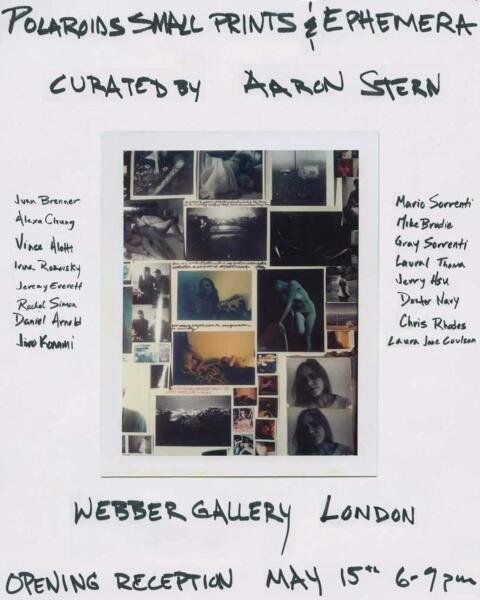
POLAROIDS, SMALL PRINTS and EPHEMERA
![]()
-
Yorgos Lanthimos,
Photographs
![]()
-
Webber Gallery,
Photo London 2025 Stand G17
![]()
-
Peter Tomka,
Bachelor Suite
![]()
-
Keisha Scarville,
lick of tongue, rub of finger, on soft wound
![]()
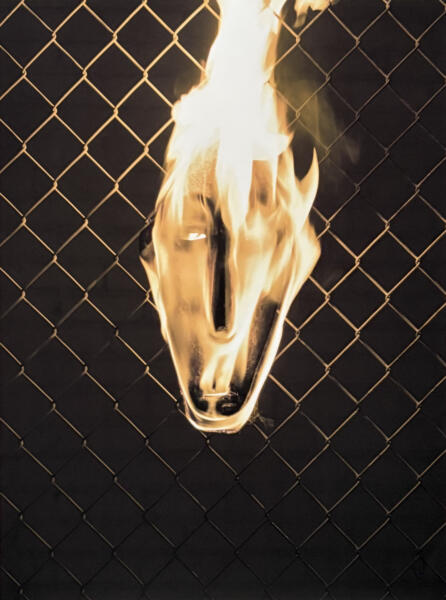
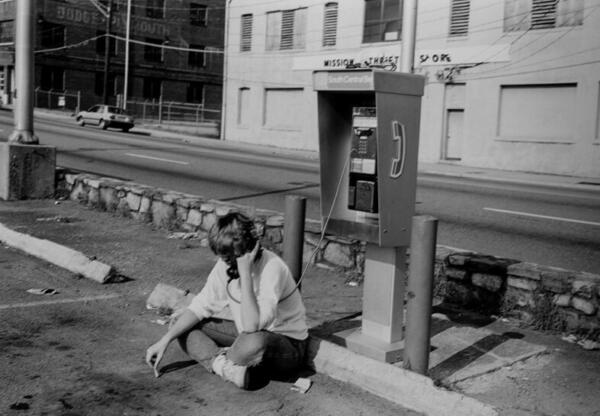
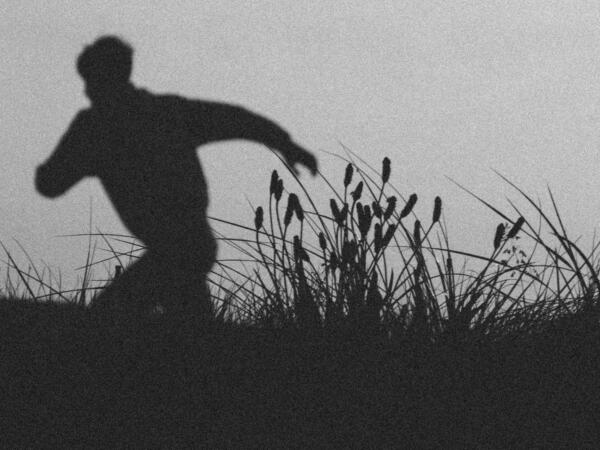
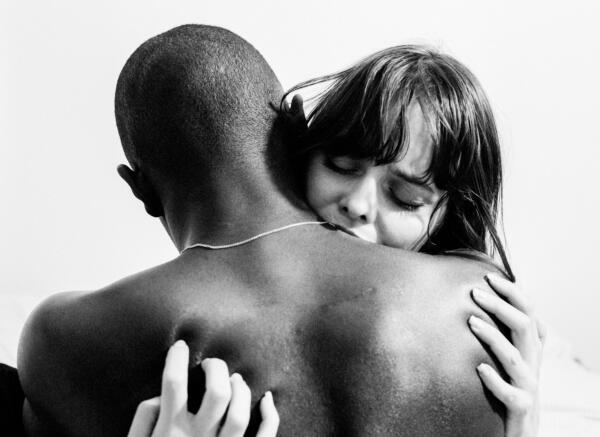
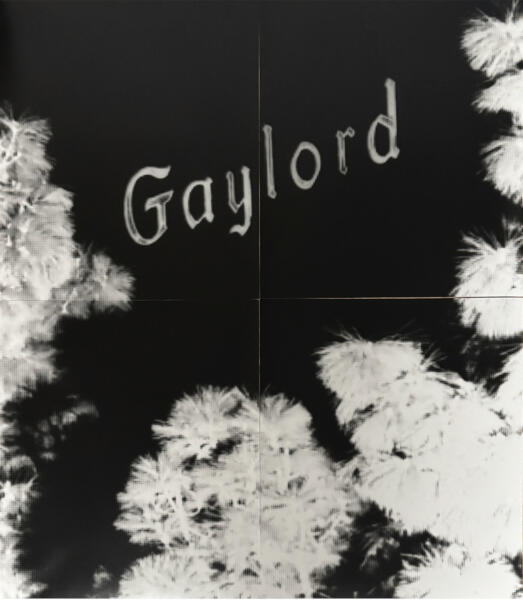
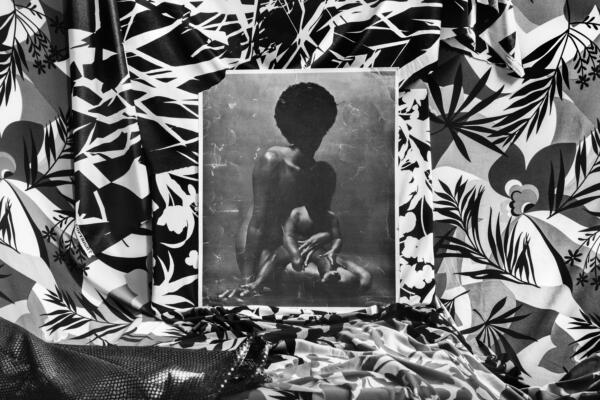
Simpson’s collective works reflect on mythical themes relating to landscape and industrial heritage, probing the instability of the post-industrial landscape and its cultural and physical borders. Through the examination of materials, ruins, objects and experiences encountered and created, this practice confronts the diverse language of visual material from a variety of sources and points in time. The inherent power of this material to mould history, distort memories, and to create and manipulate meaning is explored, acting as a starting point for new thinking and possibilities.
The visual syntax of source material informs the method in which his photographic and structural works are re-imagined and presented within the complex and scarred topography of the post-industrial stage. Simpson uses structures to demonstrate the physical properties of the metals they are shaped from and the processes implicit in their manufacture and functionality. The structural form invites a holistic re-examination and re-presentation of their repetitive surfaces, materiality, and the landscapes they speculate upon, adopting an alternative language of tectonics and architecture; man’s inclination to build and to destroy.
This meticulously presented collection of visual material, objects, symbols and structural works are brought together in unlikely combinations, forming a transitory fixing where a potential dialogue can begin.